

Australia, like many other countries, has a long history of organised crime, much of which has flourished by exploiting illicit markets; Deakin University Associate Professor Dr James Martin, and University of Sydney Senior Lecturer Dr Edward Jegasothy, argue that the current government reliance on restrictions, penalties and police powers to disrupt supply and “crush” organised crime is actually more likely to drive it, and suggest a better route would be to bring better regulated markets into the open.
Australia, like many other countries, has a long history of organised crime, much of which has flourished by exploiting illicit markets; Deakin University Associate Professor Dr James Martin, and University of Sydney Senior Lecturer Dr Edward Jegasothy, argue that the current government reliance on restrictions, penalties and police powers to disrupt supply and “crush” organised crime is actually more likely to drive it, and suggest a better route would be to bring better regulated markets into the open.
Organised crime has a long history in Australia. For more than a century, criminal groups have accumulated vast fortunes, committed countless acts of intimidation and coercion and, at times, extreme and spectacular violence. In the process, they have become a recurring feature of public concern, media sensationalism and political debate.
If we look back at the responses to organised crime and black markets in Australia’s history, we can see governments are making many of the same mistakes now as they did a century ago.
There’s the razor gangs operating in Sydney during the 1920s, and the underbelly gangland conflict in Melbourne during the 1990s and early 2000s. Now we have the nationwide ‘tobacco wars’.
All of this organised crime shares something in common: it’s centred around competition for control of the country’s highly profitable illicit markets.
Lees verder via policinginsight.com
 Demonstranten asielopvang Surhuisterveen ‘voelen zich niet gehoord’: voorvrouw krijg gebiedsverbod
 Unieke aanpak stopt jarenlange overlast in Rotterdamse wijk: ‘Rustig vanaf nacht één’
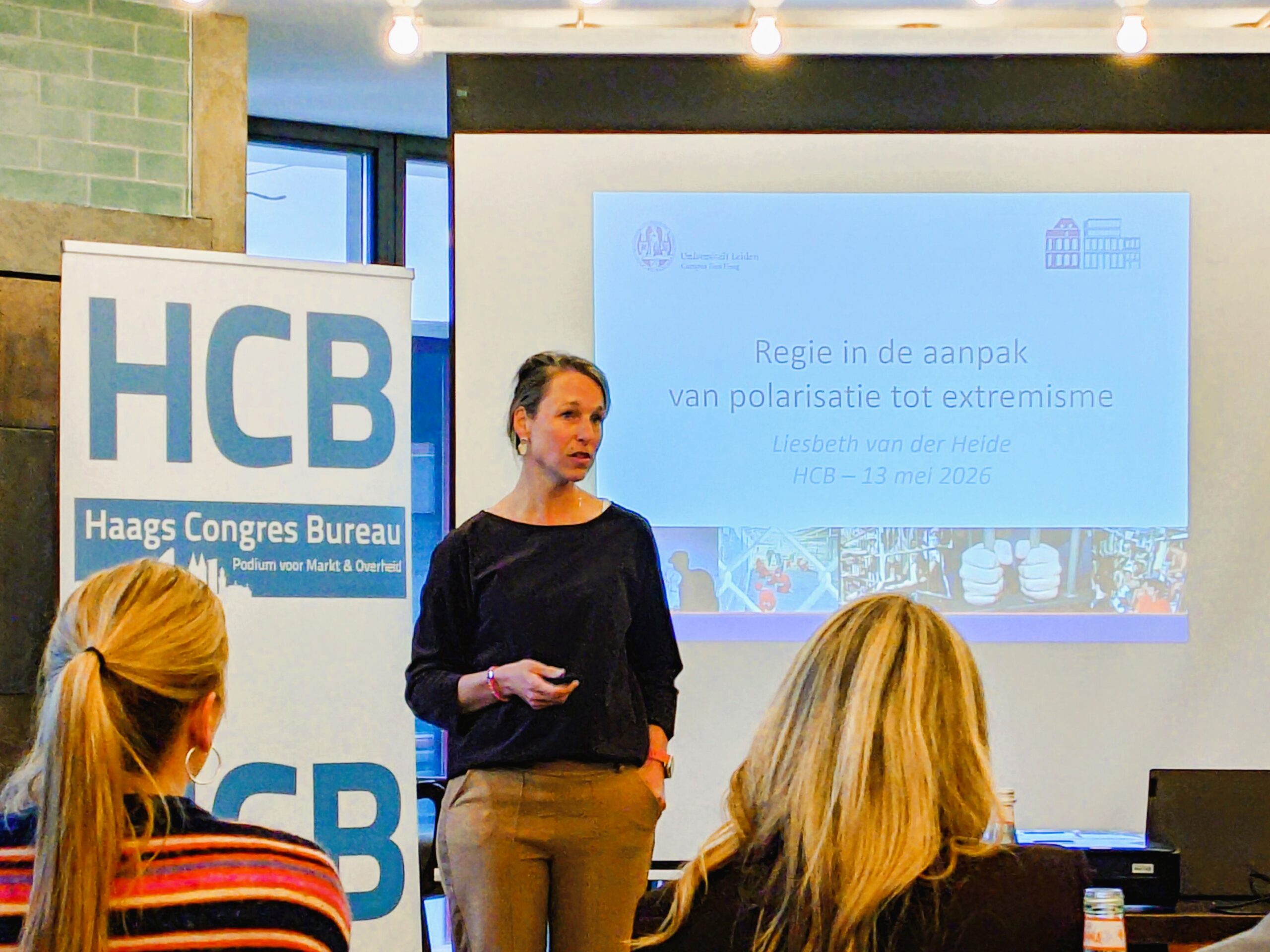 3 basisregels voor regie in de aanpak van polarisatie, radicalisering en extremisme: Impressie HCB Seminar De Veilige Gemeente 2026 – Deel 2