

Investigative interviewing is a cornerstone of obtaining information in criminal cases, and police forces are being encouraged to make greater use of AI in that process; but Dr Brandon May, Assistant Professor of Forensic Psychology at Florida Institute of Technology, and University of Portsmouth Professor Becky Milne, warn that while there are aspects of investigative interviewing where AI could be helpful, its use needs to be consistent with the scientific standards that ensure evidence is robust.
Investigative interviewing – the process of obtaining accurate and complete accounts from victims, witnesses and suspects – is the lifeblood of the criminal justice system.
“
More recent research has found that the deficits in police interviewing practices are not simply down to lack of training, but also time pressures, organisational priorities favouring generalists over specialists, and institutional culture within different police forces.
When a crime occurs, someone usually knows something. But the way a police interview is conducted doesn’t simply determine whether information is obtained. It shapes the reliability and completeness of that information – and the credibility of everything that follows in the criminal justice process.
For much of the 20th century (and in many places still today), police largely used accusatory, non-evidence-based interrogation methods that heighten the risk of false confessions.
Research examining police interviews with suspects – notably John Baldwin’s 1992 study of over 600 interviews in England and Wales, commissioned by the UK Home Office – showed that officers routinely relied on assumption and confirmation-seeking, rather than genuinely open-minded information gathering.
Lees verder via policinginsight.com
 Demonstranten asielopvang Surhuisterveen ‘voelen zich niet gehoord’: voorvrouw krijg gebiedsverbod
 Unieke aanpak stopt jarenlange overlast in Rotterdamse wijk: ‘Rustig vanaf nacht één’
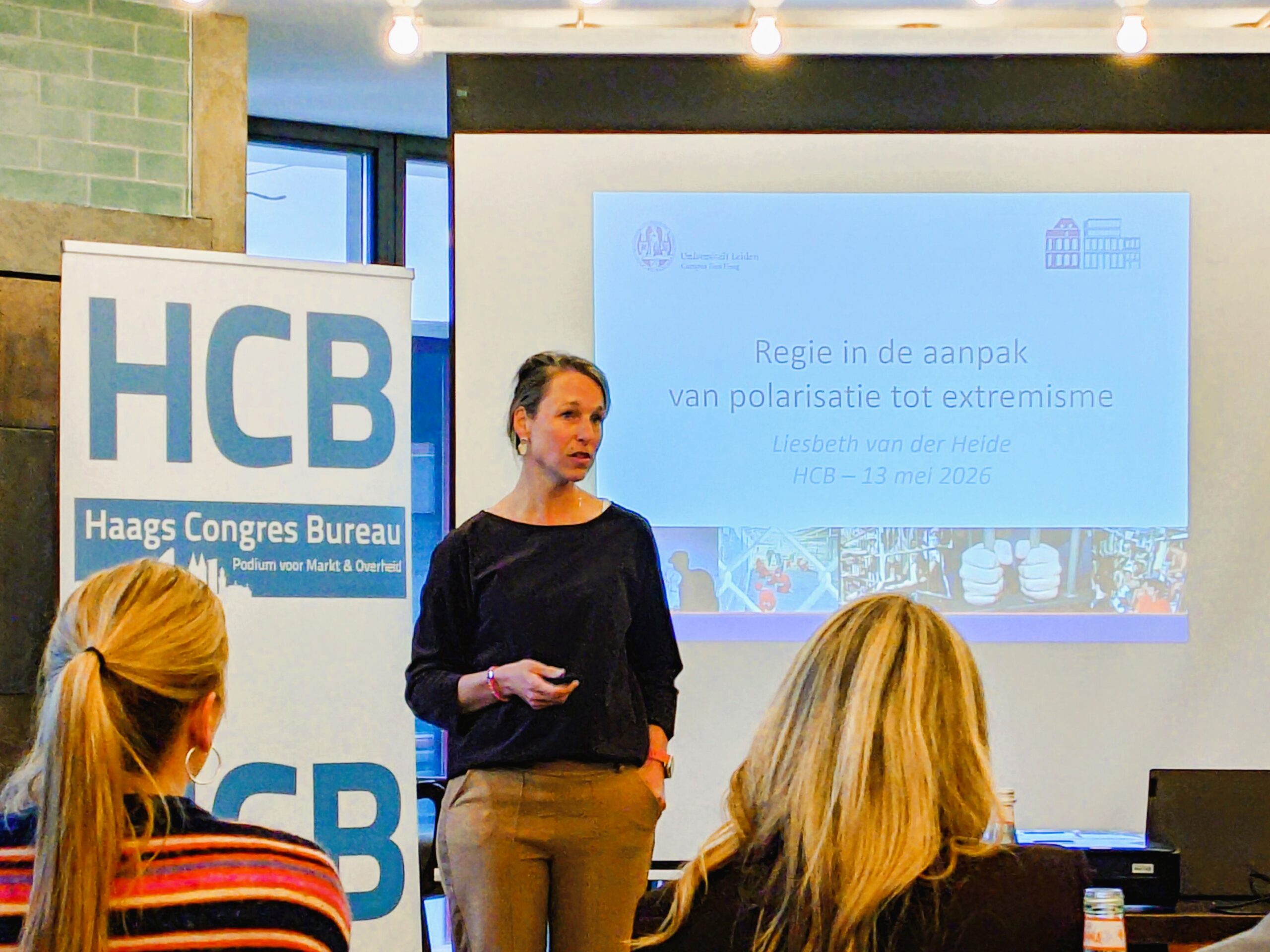 3 basisregels voor regie in de aanpak van polarisatie, radicalisering en extremisme: Impressie HCB Seminar De Veilige Gemeente 2026 – Deel 2